

When to Hire an SEO Consultant: Questions to Ask and Results to Expect
If organic traffic is flat and your Google Business Profile is getting little traction, hiring an SEO consultant can be the fastest way to diagnose what’s broken and prioritize fixes. This guide shows when to bring in outside help, the exact questions to ask during discovery, and realistic timelines and KPIs to expect from audits, retainers, and ongoing work. No fluff – you will get a vetting checklist, sample 30/60/90/180/365 milestones, and the red flags that actually matter for local service businesses.
Business signals that indicate you should hire an SEO consultant
Immediate red flags: steady or rising website sessions with falling leads, a sudden drop in visibility for priority service pages, or most of your calls coming from paid channels while organic returns nothing. These are not academic problems — they are signs your site is underperforming where it matters: converting searchers into booked jobs.
Process and ownership gaps matter as much as rankings. If no one owns Google Business Profile updates, citations are inconsistent across directories, or you do not have a repeatable content process, hiring an external SEO consultant buys you structure and accountability. The tradeoff is time: consultants diagnose quickly but require either client execution or agency-level bandwidth to implement fixes.
How to validate the signal fast
- Check attribution: pull three months of conversions from Google Analytics and compare organic conversions to last period; if organic conversions are down while sessions are flat, that points to landing page or UX issues.
- Verify local presence: open Google Business Profile Insights and review calls/direction requests — a meaningful drop or near-zero actions after a badge of activity from competitors indicates GBP neglect.
- Look for technical blocking: scan key pages with
site:queries and a quick run in Google Search Console or a crawl from Screaming Frog to see indexation and major errors.
Practical judgement: hire for narrow diagnosis when the problem looks localized and you have internal teams to act. Hire for ongoing retainer when gaps are cross-functional and persistent. Consultants are excellent at roadmaps and corrective triage; they are often weaker at long-term content production unless you hire one who also provides implementation.
Concrete example: A mid-size HVAC business noticed organic sessions steady but inbound calls from organic search down 40 percent in two months. An SEO consultant ran a focused technical and GBP review, found a redirect loop affecting service pages and an outdated GBP category, and prioritized fixes that restored call volume within eight weeks while the client handled content updates in-house.
If your competitors consistently appear in the local pack and you do not, that is a reliable, business-impacting signal that justifies consultant time.
Short action: gather three months of Analytics and GBP Insights, list the top five converting pages, and schedule a 30-minute discovery with a consultant. If you cannot produce those five items quickly, lack of data readiness is itself a reason to hire help.

Next consideration: after you confirm the signal, decide whether you need a short audit or a retained partner. If internal capacity to execute is limited, plan for implementation budget as well as the consultant fee. For help starting that conversation, see local SEO services.
Choosing between an independent consultant, a boutique agency, and a full-service SEO firm
Start with who will do the work. The single biggest mistake is choosing a vendor based on hourly rate or logo size instead of matching execution capacity to the task. If you need a diagnostic and a roadmap, a lone SEO consultant can be the fastest, cheapest route. If you need ongoing content, GBP management, and outreach, you need team bandwidth — which is where boutique agencies shine. If you must coordinate paid media, large site changes, or multi-market rollouts, a full-service firm is the practical choice despite higher cost.
Independent consultants (freelance SEO consultant / SEO audit expert). Strength: focused technical chops, fast audits, clear roadmaps, and often lower cost. Limitation: limited implementation bandwidth and single-person continuity risk if they get sick or leave. Practical tradeoff: hire an independent when you have internal teams or a developer who can execute recommended fixes quickly or when you want an unbiased baseline before buying implementation services.
Boutique agencies (local SEO consultant / content optimization advisor). Strength: tighter collaboration, content production, local link outreach, and hands-on GBP management with predictable monthly bandwidth. Limitation: higher monthly fees and potential dependence on a small team — if your account lead leaves, performance can wobble. In practice boutique firms give the best balance for small-to-mid local businesses that need both strategy and execution without enterprise overhead.
Full-service firms (enterprise SEO strategist / PPC and SEO integration specialist). Strength: scale, structured processes, cross-channel integration, and vendor management for migrations or multi-location programs. Limitation: SEO expertise can be diluted across account teams, contracts tend to be long, and change requests move slower. Choose this only when you need integrated campaigns, in-house tech support, or simultaneous paid/organic coordination.
Concrete example
Concrete Example: A three-location dental practice hired an independent SEO consultant for a 4-week audit and roadmap. The audit found structured data gaps and poor location pages. The practice then retained a boutique agency to implement page content, GBP optimization, and local citations; within four months GBP calls rose and appointment bookings improved while the consultant continued monthly strategy calls. This sequence shows a common hybrid approach: audit by a specialist, implementation by a team.
| Model | Typical fit | What it buys you | Key risk |
|---|---|---|---|
| Independent consultant | Small business needing diagnosis or strategy | Fast audit, clear roadmap, lower monthly cost | Limited implementation capacity and single-person continuity |
| Boutique agency | Local businesses needing hands-on execution | Content, GBP management, local outreach, tighter collaboration | Higher monthly cost; quality tied to a small team |
| Full-service firm | Multi-location, enterprise needs, paid/organic integration | Scale, cross-channel coordination, project management | Slower change cycles, diluted SEO seniority, longer contracts |
- Decision checklist: Confirm who will implement changes — internal team or vendor.
- Match bandwidth: Estimate monthly hours required for content, outreach, and technical fixes before choosing a model.
- Ask about continuity: Request named stakeholders and a replacement plan for staff turnover.
- Pilot before lock-in: Run a 30- to 90-day paid pilot (audit + small implementation) to validate chemistry and delivery.
Key takeaway: For most local service businesses the best path is hybrid: commission a short audit from a specialist, then hire a boutique agency for execution if you lack internal capacity. If you need paid + organic coordination at scale, accept the tradeoffs and hire a full-service firm — but insist on named experts and short pilot milestones.
If you want a quick next step, request a 30-day audit from a search engine optimization consultant and include a clause that lets you convert to a retainer for implementation. For help starting that audit conversation, see local SEO services and the Google Search Central SEO Starter Guide.
Critical questions to ask during discovery and why each matters
Start with evidence, not promises. The first minutes of discovery should force the candidate to show recent, verifiable work — screenshots, access to raw Search Console data, or contactable references — because experience without evidence is just opinion dressed up as expertise. An honest SEO consultant will turn the conversation to data and process before tactics.
Proof and outcomes — what to demand and why
Ask for measurable outcomes tied to business metrics, not vanity ranks. You want case notes that show starting traffic/conversions, actions taken, and the time it took to move the needle. This separates tactical contractors from search engine optimization consultants who understand lead generation.
- Show two recent local case studies: include before/after organic conversions and the tools used to measure them
- Give references I can call: speak to one client who shares outcomes and one who left, so you hear both sides
- Explain attribution: how did they prove leads were organic vs paid or referral
Tools, methods, and constraints — the practical tradeoffs
Which tools they use matters only if you ask how those tools inform decisions. Tool names without workflows are meaningless. A strong SEO strategy advisor will map tools like Ahrefs, Screaming Frog, and Google Search Console to specific checks, not just show dashboards.
- Which tools and why: ask what each will be used for and how you will get access to raw outputs
- How do they prioritize fixes: technical debt vs content vs local profile work — what comes first and why
- Implementation ownership: who executes — you, them, or a subcontractor?
Local, content, and links — specifics that affect timelines
Local search needs different answers than national SEO. Probe how they will handle Google Business Profile signals, citation cleanup, service-area pages, and white-hat link outreach. Expect honest limits: outreach and content take time to produce durable ranking changes.
- GBP plan: what exact GBP actions will they take and how will you measure GBP-driven leads
- Content approach: sample topic plan for your top service and how they will localize it
- Link sourcing: describe a recent outreach win and the relationship used to earn it
Practical tradeoff: a consultant who promises fast, aggressive link growth is likely cutting corners. Faster results usually require paid amplification or risky link tactics; slower, steady growth is the safer route for local businesses that need reliable leads.
Real-world example: A three-location plumbing company hired an SEO services freelancer who produced a 6-week audit and prioritized GBP category fixes plus schema on service pages. The client implemented the schema and the freelancer ran a local citation cleanup; within ten weeks calls from Google Maps rose and two priority keywords moved into the local pack, but higher-competition keywords still needed content and outreach work to progress.
Require access to raw data (Search Console, Analytics, GBP) during discovery — if a candidate resists, treat that as a disqualifier.
Ask for a sample monthly report and one sprint-style task list. If reporting is vague or reports omit conversions, you will pay for work you cannot evaluate.
Finish discovery by clarifying commercial terms: scope boundaries, conversion KPIs, reporting cadence, and a short pilot or kill clause. That keeps the engagement focused on business outcomes instead of open-ended SEO activity. If you want a pre-built RFP template to send after discovery, see local SEO services and review the Google Search Central SEO Starter Guide for technical expectations.

Expected deliverables and milestones in the first 90 and first 12 months
Short version: in months 0–3 expect diagnosis, access, and quick wins; months 3–6 are execution and measurement of early ranking signals; months 6–12 are scale, sustained content, and measurable lead growth. An experienced SEO consultant will deliver artifacts you can verify, not vague activity reports.
Months 0–3: lock down the low-friction wins and prove workability
Deliverables to require immediately: a baseline audit with raw Search Console exports, a prioritized sprint list, and an itemized quick-wins log (title/meta fixes, canonical and redirect corrections, GBP category and NAP fixes). Insist on before/after screenshots or URLs so you can verify changes yourself.
Practical trade-off: quick wins can move local visibility fast but do not substitute for structural work. If the site has deep technical debt, the consultant should separate remediation tasks into sprinted chunks and show expected impacts per sprint.
Months 3–6: implement priority roadmap and start measuring channel lift
What should be in flight: on-page optimization for the top service pages, first local-focused content pieces, GBP improvements with review/reply process, and initial outreach for citation cleanup or high-quality local links. Reporting should include tracked conversions (goals) and GBP actions, not just rank snapshots.
Limitation to watch: content and outreach take time to influence competitive keywords. Expect sensible wins on low-competition and long-tail terms first and faster GBP action increases if review and category issues were genuine blockers. Also remember over-optimization of anchor text or rapid link spikes are red flags.
Months 6–12: scale what works and tie SEO to leads
Sustained deliverables: a documented content calendar, ongoing link-acquisition reports with sources and methods, a conversion-focused CRO plan for priority landing pages, and quarterly analysis tying organic visits to actual appointments or calls. The consultant should hand over a living playbook of implemented changes and ownership notes for your internal team or vendor.
| Milestone window | Artifact delivered | Acceptance criteria (what you can verify) |
|---|---|---|
| 0–30 days | Baseline audit + access checklist | Raw Search Console export, crawl report, and a prioritized 30-day task list with Jira-style tickets |
| 30–90 days | Sprint completion report | URLs changed, before/after screenshots, GBP update log, and evidence of fixed crawl/index issues |
| 3–12 months | Performance reports + playbook | Monthly goal tracking (organic leads), content calendar with published URLs, and link outreach records |
Concrete example: A local physical therapy clinic hired an SEO consultant for a 90-day engagement. The consultant delivered a crawl report showing duplicated service pages, implemented canonicalization and improved GBP categories, then published two localized treatment pages. By month four the clinic saw measurable increases in GBP direction requests and booked consultations attributed to organic landing pages.
Prioritize deliverables you can validate: raw data exports, a sprint task list with completion evidence, and a documented change log. If a consultant resists providing those, treat the engagement as high risk.
Contract must-haves: require milestone-based acceptance criteria, raw data access, a monthly prioritized task list, and a remediation clause if agreed KPIs are not met on schedule.
One more practical judgment: mobile behavior dominates local search — more than half of searches come from mobile devices — so mobile performance fixes and GBP usability should be front-loaded. See the Google Search Central SEO Starter Guide for technical expectations and our local SEO services page for examples of milestone-based engagements.
Next consideration: build milestones into payment and require deliverable verification at each stage — that is the clearest way to align an SEO consultant to business outcomes, not just activity logs.
Realistic results to expect: KPIs, benchmarks, and timelines for local businesses
Start with lead signals, not rankings. For local businesses the only SEO outcomes that matter are measurable actions that become bookings or calls. Ask a candidate how each activity maps to a specific KPI and how you will verify it with raw data access before you pay a retainer.
Priority KPIs to track. Organic sessions (quality over volume), organic leads or goal conversions attributed to search, Google Business Profile actions (calls, direction requests, website clicks), priority-keyword movement for commercial intent terms, and landing page conversion rate. These replace vanity metrics that sound good but do not move revenue.
| KPI | Practical benchmark to watch for | When you typically see a directional change |
|---|---|---|
| Organic sessions (targeted pages) | Consistent month-over-month growth on priority landing pages or searches for service+location | First directional signal often within 6-8 weeks after quick fixes; steady trend by month 3-5 |
| Organic leads / goal conversions | Clear attribution to organic channels registered in Analytics or CRM | Often visible within 8-12 weeks if landing pages and forms are fixed and tracked |
| Google Business Profile actions | Notable uptick in calls or direction requests after category, hours, images, and review activity are fixed | Can move inside 3-7 weeks when GBP issues are real blockers |
| Priority keyword rankings | Movement into the top 20 for 3-4 priority commercial terms; top 10 is the longer-term goal | Low-competition terms show progress in 3-6 months; competitive terms take longer |
| Conversion rate on landing pages | Improvement through CRO or page-level fixes (forms, CTAs, load time) | Noticeable lift frequently within 4-10 weeks after changes are deployed |
Practical tradeoff to accept. Quick technical wins and GBP hygiene are low-cost and fast, but they hit a ceiling. Sustainable growth requires content that matches local intent and credible links – those require ongoing investment and patience. If you want immediate lead volume, budget for paid ads as a bridge while organic builds.
Use case: A neighborhood locksmith focused on emergency calls fixed GBP categories, added structured data, and corrected two redirect chains. Within seven weeks inbound calls tracked to GBP rose, giving immediate revenue while content and outreach begun by month two increased organic form submissions over the following five months.
Judgment you will not hear often enough. Vendors that sell guaranteed rank positions are gaming expectations. The better test is whether an SEO consultant can show a repeatable path from an identified problem to a measurable outcome using your data – raw Search Console and Analytics – and commit to a timeline with acceptance criteria. If they cannot, walk away.
Key action: Require a dashboard or monthly report that ties activity to at least one lead metric. Insist on raw data access and milestone acceptance criteria before the second payment.
If you need a template for KPIs or a milestone-based engagement, see our local SEO services and reference the Google Search Central SEO Starter Guide for technical expectations.

Measure results by leads and verified actions first. Rankings are signals – not the business outcome.
Pricing models, proposal items to negotiate, and contract terms to require
Pricing signals matter. Low monthly fees often buy recurring tasks and templated reports, not outcome-focused work. When you speak with an SEO consultant, treat the price model as a description of what will actually be done each month, not a proxy for skill.
Common pricing models and the trade-offs
Fixed retainer: predictability and steady momentum; best when you need ongoing content, GBP management, and continuous outreach. Trade-off: retains can blur scope unless you attach sprinted deliverables and acceptance criteria. Project fee: good for audits, migrations, or one-off site fixes; clean deliverables but no guarantee of ongoing traction. Hourly consulting: flexible for strategy sessions or intermittent troubleshooting; poor fit for execution-heavy needs because hours add up. Hybrid / bonus: a base retainer plus performance bonuses tied to lead metrics can align incentives, but insist on realistic, verifiable KPIs — pure rank guarantees are meaningless and risky.
Practical limitation: performance-based models sound attractive but fail when attribution is noisy. If you tie payment to organic leads, also define how leads are tracked (Google Analytics goals, call-tracking numbers, CRM reconciliation) and how disputes are handled.
Proposal items you should negotiate (priorities)
- Deliverable schedule: list sprint-level tasks for the first 90 days with estimated hours and who will implement them
- Acceptance criteria: require before/after evidence (Search Console export, page screenshots, GBP change log) for each milestone
- Tool and cost transparency: which paid tools will be used and whether those subscriptions are billed to you or included
- Access & handoff: required client access (CMS, Analytics, Search Console, GBP) and a documented playbook of implemented changes
- Staffing & continuity: named account lead, backup plan for turnover, and a 30- to 60-day transition clause
- Cancellation and remediation: minimum notice, pro-rated refunds for undelivered milestones, and a remediation plan if KPIs miss targets
Concrete example: A three-location roofing company negotiated a 6-month retainer but pushed for milestone acceptance tied to specific GBP and page fixes. When the consultant missed the month-2 sprint, the acceptance criteria allowed the client to withhold the month-3 payout until fixes were verified — that pressure produced the needed crawlability and GBP changes within two weeks.
One judgment you will not hear enough: ownership of content and assets must be explicit. If the consultant creates location pages or blog posts, the contract should state that you own the content and the consultant provides editable files and CMS access. Otherwise you may pay to cultivate assets you cannot control later.
Negotiate the deliverable, not the process. Pay for verifiable outcomes (change logs, raw data exports, published URLs) rather than vague monthly activity lists.
Contract must-haves: milestone-based payments, raw data access (Search Console/Analytics/GBP), deliverable acceptance criteria, ownership of creative assets, named personnel, and a remediation/cancellation clause.
If you want a starting template, attach a short pilot (30–90 days) that uses an hourly or project fee to validate chemistry and delivery before committing to a longer retainer. For technical expectations see the Google Search Central SEO Starter Guide and for local proof points consider citing BrightLocal research when arguing for investment in GBP work.
Red flags, common scams, and how to evaluate ongoing performance
Hard fact: the biggest risk with an SEO consultant is not poor execution but hidden tactics that produce short-term lifts and long-term damage. Promises of guaranteed top positions, unexplained link spikes, or an insistence on working behind the scenes without documented access are classic warning signs.
What actually breaks businesses: undisclosed subcontractors who run link farms, templated content spun across dozens of sites, and opaque reporting that highlights impressions but hides conversions. These choices can trigger manual actions from Google or degrade brand trust when low-quality content appears under your name.
Evaluating performance the right way
Score outcomes, not activity. Build a lightweight scorecard you review monthly and quarterly that ties vendor work to business signals. Example scoring: 35 percent delivery of committed sprint items with verifiable evidence, 35 percent measurable lead or GBP action movement, 20 percent transparency of methods and sources, 10 percent responsiveness and project hygiene. Use the score to trigger remediation steps or contract reviews. That scorecard is the quarterly view. For the month-to-month version, what an honest provider should put in front of you every month, see what your SEO agency should be showing you.
Practical tradeoff: cheap retainers buy uninterrupted activity not strategic progress. If you want speed, you pay for implementation and content production. If you want safety, you pay for conservative, white hat work that is slower but durable. There is no reliable middle ground where low cost equals low risk and high reward.
Remediation workflow to insist on: require a written corrective plan within 14 calendar days if the scorecard falls below an agreed threshold, with committed milestones and evidence for each fix inside 30 to 60 days. If the vendor cannot supply a credible plan or access to the factual logs that prove work, treat that as grounds to pause the engagement.
Concrete example: A small legal practice engaged an affordable SEO consultant who delivered many backlinks but would not share outreach records or link sources. After three months organic leads did not increase and an external audit showed a high percentage of low-quality directory links from the same network. The firm paused payments, required a disavow plus a documented remediation plan, and then ran a short pilot with a different local SEO consultant who focused on GBP hygiene and content; measurable leads returned only after the disavow and new local-focused content published over the next four months.
- Non-negotiables to demand: view-only access to
Search Consoleand Analytics, a documented change log for every URL touched, and a named list of third-party partners used for outreach. - Red-flag behaviors: resistance to share references, sudden unexplained link volume, overly generic monthly reports that omit conversions.
- When to pull the plug: remediation plan absent or unverifiable within 30 days, repeated missed acceptance criteria, or evidence of black-hat link networks.
If a consultant will not put deliverables, acceptance criteria, and access requirements in writing before work starts, you are buying risk, not service.
Action step: include a 30 to 60 day pilot with explicit acceptance criteria, require exportable evidence for each milestone, and add a short termination clause tied to the scorecard. For help drafting those milestones, see local SEO services.
Next consideration: after you set the scorecard, use it as the contract enforcement mechanism – not hopes, not promises, but verifiable evidence that work moves business outcomes.
Sample RFP template and proposal evaluation checklist
Start tight, not broad. A short, focused RFP that specifies outcomes, data access, and a pilot window filters noise and forces candidates to show how they would move your business metrics — not recite tactics.
RFP template (copy, paste, send)
Project summary: Brief business goals (example: increase GBP calls and organic leads for service areas A, B, C), target start date, and budget range. Current state: list of access you will grant (Analytics, Search Console, Google Business Profile, CMS) and any active tool subscriptions. Success metrics: 2–3 KPIs you will use to judge the engagement (e.g., organic leads, GBP actions, priority-keyword visibility).
Scope & constraints: What you want done (audit, migration, ongoing retained work), who will implement changes, and any vendor limitations (no PBNs, white-hat only). Deliverable schedule: short milestone list for 30/60/90 days with the evidence you will accept (data exports, URL changes, published content links). References & samples: request two recent local case studies with contactable references and one anonymized Search Console export showing before/after changes.
Commercials & terms: pricing model (retainer, project, hourly), tool costs, billing cadence, pilot-size option (30–90 days), and a simple remediation/termination clause tied to milestone evidence. Submission instructions: single PDF proposal, who to email, and a deadline.
Proposal evaluation checklist
| Criterion | What a strong proposal shows | What should trigger caution |
|---|---|---|
| Local experience | Recent engagements for businesses in your industry or similar-sized local markets with measurable outcomes | Only national case studies or no measurable before/after data |
| Evidence & access | Willingness to work with view-only Search Console/Analytics and to provide raw exports | Reluctance to grant access or only screenshot dashboards |
| Milestones and proof | Sprint-style milestones with specific proof types (export, URL, screenshot) and delivery dates | Open-ended lists of tasks without scheduled evidence |
| Implementation plan | Clear statement who executes each task and fallback if client cannot implement | Vague about execution or hidden subcontracting without disclosure |
| Reporting & KPI mapping | Link of each activity to a KPI and a sample report layout showing conversions, not just impressions | Reports focused on metrics that do not connect to leads |
| Price transparency | Itemized fees, tool costs, and optional add-ons | Bundled price with opaque recurring costs |
Practical tradeoff: a hyper-detailed RFP narrows applicants to those willing to document their work, but it can deter high-quality freelancers who prefer iterative scopes. If you lack internal bandwidth, add implementation responsibilities into the RFP rather than assuming the winner will do heavy lifting for the same fee.
Concrete example: A two-location pest-control company issued this RFP with a required 60-day pilot. Three proposals arrived; one consultant provided a short crawl export and a prioritized 60-day task list with expected evidence. After the pilot the client converted to a retainer because the consultant delivered the documented fixes and measurable increases in GBP actions — the RFP made it easy to compare apples to apples.
Quick takeaway: Require a pilot with specific evidence types (Search Console export, published URLs, GBP change log). Paying for validation upfront reduces the chance you inherit undisclosed risky tactics or vague deliverables.
Frequently Asked Questions
Short answers, practical expectations. Below are the specific answers you’ll need when evaluating proposals and running discovery calls with an SEO consultant—phrased so you can act on them during a 30-minute vetting conversation.
How quickly will I see meaningful change?
Realistic timeline: expect immediate visibility on operational fixes (indexing, GBP hygiene, simple meta/title corrections) within a few weeks, measurable lifts in GBP actions or form submissions in one to three months, and consistent organic lead growth only after sustained content and outreach work over several months. Fast wins are real; durable gains take persistence.
Which metrics should I insist on seeing every month?
Require outcomes, not vanity. Your monthly packet should include organic-sourced conversions (Analytics goals or CRM attributions), Google Business Profile actions (calls, direction requests), a short list of priority keywords with context, and a sprint log showing completed tasks and proof (URLs, screenshots, raw exports). If reporting lacks conversion context, the deliverable has limited business value.
Can a consultant promise a number-one ranking?
No. Search rankings depend on competitor moves, seasonal patterns, and algorithm changes. A competent SEO consultant will promise a method and milestones tied to verifiable deliverables — not fixed ranks. Prefer commitments to process and evidence over rank guarantees.
Audit versus retainer: which should I pick?
Pick an audit when you need diagnosis and can execute internally. Choose a retainer when you need continuous content, outreach, or technical bandwidth. A common approach: buy a short paid pilot (diagnostic + a few implementation sprints) to validate chemistry before committing to ongoing work.
What access level should I grant an SEO consultant?
Sufficient but controlled access. Provide view-only access to Search Console and Analytics, manager access to Google Business Profile if GBP work is included, and CMS edit rights limited to specific pages or a staging environment. If a provider resists supplying verifiable exports or view-only access, you lose the ability to confirm their impact.
How should I think about pricing and performance incentives?
Be wary of pure performance pay without clean attribution. Tying fees to organic leads sounds attractive but breaks down when attribution is noisy. A hybrid model — base retainer for execution plus modest bonuses for verified lead improvements — aligns incentives while keeping disputes manageable. Define exactly how a lead is counted before work begins.
Concrete example: A local locksmith engaged a consultant for a 60-day pilot focused on GBP and two service pages. The consultant corrected GBP categories, fixed a misconfigured redirect on the booking page, and published one localized content piece. Within seven weeks the client reported a clear uptick in GBP calls and attributed several emergency bookings to the updated service page while tracking phone numbers confirmed the attribution.
If a candidate cannot provide two recent local case studies with before/after exports or refuses view-only access to Search Console/Analytics during discovery, deprioritize them.
Actionable next steps: Gather three months of Analytics goals and GBP Insights; ask shortlisted consultants for a 30–60 day pilot with explicit acceptance criteria and evidence types (Search Console export, published URLs, GBP change log); require a simple remediation clause if milestone evidence is not delivered.
Explore This Topic

SEO for Moving Companies (2026): How Movers Get Found in Local Search

How to Remove a Google Review (2026): What Google Will and Won’t Take Down

Local SEO for Home Services Companies Joliet IL

Watch: AI Is the First Tool That Can Help Build the Next Tool
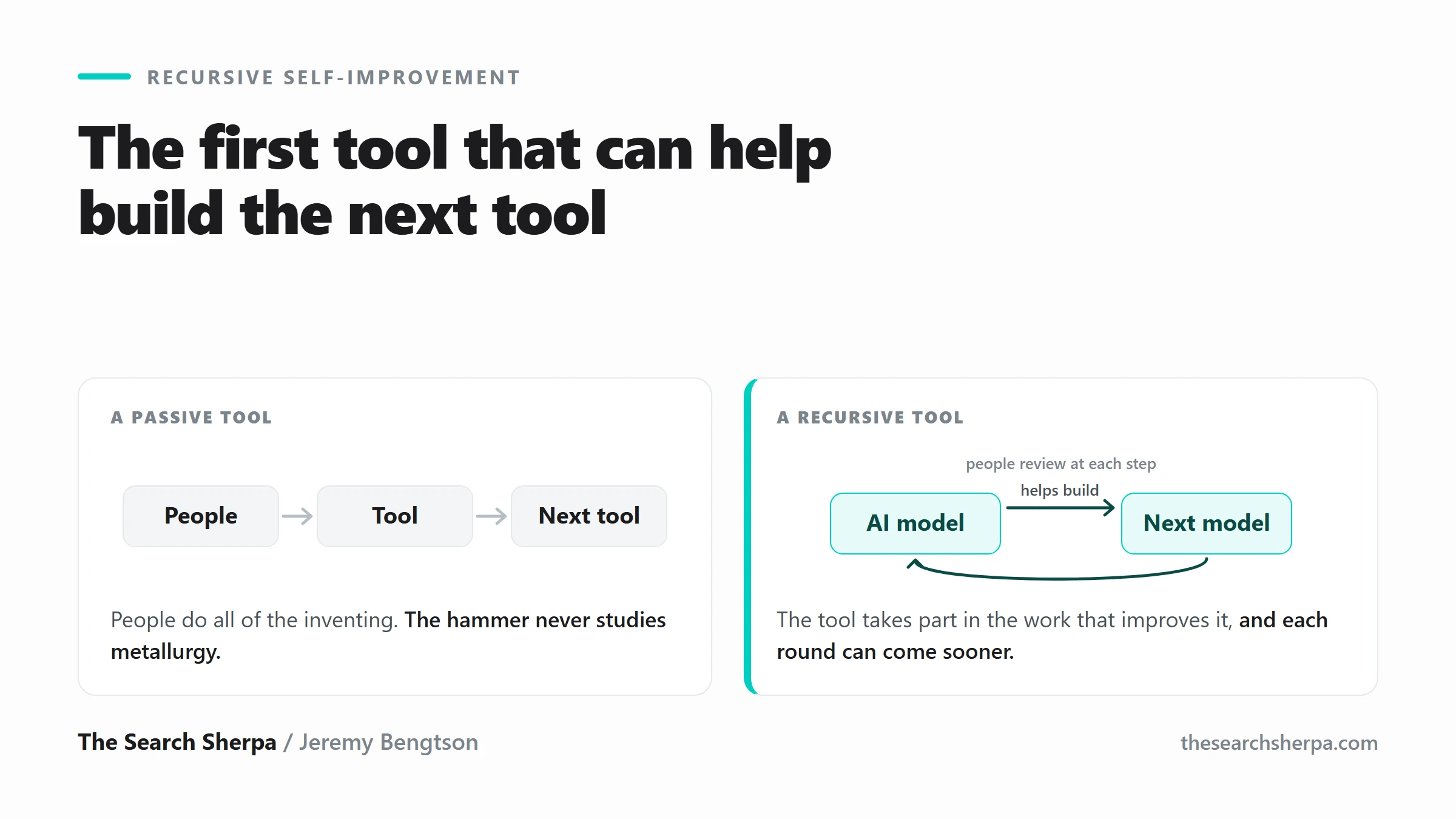
Recursive Self-Improvement: What Happens When AI Helps Build Better AI
Join Over 400,000 Entrepreneurs Getting Our Weekly Newsletter
Recent Posts
October 5, 2026
SEO for moving companies in 2026: your Google Business Profile, service pages, honest reviews, the USDOT ad rule for interstate movers, and what
October 5, 2026
Google lets owners report a review, not delete it. It removes policy violations, and unlawful content by legal request. How to flag, appeal,
October 3, 2026
Local SEO for a single-location home services company in Joliet: $1,000 to $2,500 a month. Competitive or multi-town work costs more.