
Table of Contents
- What Is AI Prompt Engineering and Why Does It Matter?
- A Prompt Is a Creative Brief, Not a Search Query
- The 7 Components of a High-Performance AI Prompt
- How Small Syntax Changes Produce Large Output Differences
- Case Study: Five Prompt Versions, One Core Creative Brief
- Three Rules for Better Prompts You Can Apply Today
- The Bottom Line: Prompt Quality Determines Output Quality
- Frequently Asked Questions
What Is AI Prompt Engineering and Why Does It Matter?
You have seen it happen. Two people sit down with the same AI tool, ask about the same topic, and walk away with completely different results. One gets a generic, forgettable wall of text. The other gets something polished, specific, and genuinely useful. The difference is not luck and it is not the model. It is the AI prompt engineering behind the input.
If you have been treating AI prompts like a search bar … typing a few words and hoping for the best … you are leaving an enormous amount of value on the table. Prompts are not search queries. They are instructions to a highly capable creative and analytical system. The quality, structure, and specificity of those instructions directly determines what comes back.
This guide breaks down why prompts matter, what makes a prompt genuinely powerful, and how small changes in structure and syntax produce wildly different outputs. We close with a real-world case study: five versions of the same creative prompt, each engineered for a distinct visual style, all ready for you to copy and use.
A Prompt Is a Creative Brief, Not a Search Query
Most people think of a prompt as a question or request. That is technically accurate but functionally incomplete. A better way to think about AI prompt engineering is this: a prompt is a creative brief.
When you hire a photographer, a copywriter, or a graphic designer, you do not walk in and say “make me something good.” You tell them the audience, the mood, the format, the deliverable, what to include, what to avoid, and what success looks like. The more complete and well-considered that brief, the closer the first draft lands to what you actually wanted.
AI models work the same way. They are pattern-completion engines trained on vast amounts of human-generated content. When you give them a sparse input, they fill in the gaps using the most statistically common patterns in their training data. That tends to produce average, generic results.
When you give them a rich, structured input full of specific vocabulary, style signals, technical parameters, and contextual cues, they pattern-match to a much more precise region of their capability space. The output follows. The prompt is the brief. The AI is the creative professional. Precision in, precision out. If you want to see this same idea applied to qualitative research, see how I use AI to decode real customer language, where the same brief-style thinking turns interviews into messaging insight.
The 7 Components of a High-Performance AI Prompt
Strong prompts share a recognizable structure, whether you are generating images, writing copy, analyzing data, or building code. Understanding these seven components lets you approach AI prompt engineering deliberately rather than by trial and error.
1. The Core Directive
This is the fundamental action and subject. Even this first element benefits enormously from precision.
Weak prompt: “Draw me as a cartoon”
Strong prompt: “Create a premium cinematic caricature poster of me as the central hero character”
The strong version specifies the output type (poster), the quality tier (premium, cinematic), the exaggeration style (caricature), the compositional role of the subject (central hero), and the emotional framing (hero character). Each word does work.
2. Subject Specification
For content involving a person, place, product, or concept, specificity about what to emphasize is critical. Great prompts name traits, characteristics, stylistic elements, and personality qualities explicitly.
“My known personal characteristics and style elements” is a useful placeholder when the AI has context. But you can make this sharper by naming things directly: energy level, signature gestures, recurring aesthetic choices, emotional presence.
3. Style and Aesthetic Vocabulary
This is where prompts diverge most between beginners and advanced users. Style vocabulary tells the AI what visual or tonal territory you are operating in.
References to known styles (Pixar 3D, editorial fashion, anime, cyberpunk), specific aesthetic movements (vaporwave, hypebeast, synthwave), platform aesthetics (Instagram editorial, streaming key art), and media formats (blockbuster poster, magazine cover, fashion campaign) all serve as powerful signal compressors.
A single phrase like “Arcane-inspired” or “Vogue-level art direction” communicates dozens of detailed visual parameters at once.
4. Technical and Quality Parameters
These are the render specifications … the equivalent of telling a photographer what lens, ISO, and lighting setup to use. For AI image generation, this includes:
- Resolution descriptors: 8K, ultra-detailed, sharp focus
- Lighting language: cinematic catchlights, global illumination, rim lighting, dramatic shadows
- Rendering style: glossy, photorealistic, painterly, cel-shaded
- Depth and composition: shallow depth of field, dynamic perspective, low-angle shot
These are not decorative filler. Each one triggers specific patterns in how the AI weights and renders its output.
5. Compositional and Emotional Directives
Beyond what the image looks like technically, strong prompts direct its feeling and narrative. “Confident body language,” “layered storytelling props,” “subtle environmental storytelling,” and “emotionally believable character design” are not vague niceties. They instruct the model to reach for coherent narrative meaning rather than assembling visually impressive parts without connective logic.
6. Platform and Distribution Context
Prompts that specify where the output will live … “social-media-viral aesthetic,” “Instagram-ready composition,” “trending modern entertainment branding” … cause the AI to weight toward output formats that have performed well in those contexts.
It is the difference between creating something technically correct and something that looks native to the environment it is intended for.
7. Negative Prompts: What to Exclude
One of the most underused and highest-leverage elements in AI prompt engineering is the negative prompt … an explicit list of what you do not want.
Without one, the AI defaults to its probabilistic middle ground. That frequently includes generic flaws: blurry edges, distorted anatomy, flat lighting, watermarks, lifeless expressions, poor composition.
Spelling out what to exclude is like telling your contractor not just what to build, but specifically what materials not to use and which mistakes to actively avoid. The output quality difference is significant and immediate.
How Small Syntax Changes Produce Large Output Differences
This is one of the most important and least discussed aspects of AI prompt engineering. The relationship between prompt language and output quality is highly non-linear. Small changes in word order, vocabulary choice, and structural emphasis do not produce small changes in output. They can produce radically different results.
Word Choice Carries Enormous Weight
Consider the difference between these two approaches:
“Make it look good” … a generic quality signal, interpreted broadly by the model.
“Ultra-premium digital illustration, polished artistry, sharp focus” … precise quality signals that anchor to specific high-quality aesthetic traditions.
The AI is not reading intent. It is pattern-matching vocabulary to output regions. Technical vocabulary from professional fields like cinematography, fashion photography, graphic design, and animation activates corresponding quality registers in the model’s output. This is also why generic AI output can be misleading … see why your AI assistant might be telling you what you want to hear for a related discussion on prompting for honest, useful answers.
Order and Emphasis Matter
Elements that appear earlier in a prompt tend to carry more structural weight in the final output. Placing your most critical aesthetic or quality parameters at or near the beginning of a prompt … rather than appending them at the end as afterthoughts … results in those elements being more consistently represented.
Specificity Collapses Ambiguity
Every vague term in a prompt is an invitation for the AI to guess. “Good lighting” leaves enormous interpretive space. “Cinematic backlighting with warm practical light sources and controlled lens flare” eliminates that space and drives the output toward a precise aesthetic outcome.
The more you eliminate ambiguity, the more consistent and predictable your results become.
Layered Synonyms Reinforce Intent
Advanced prompt writers often stack related terms to reinforce key qualities: “premium, cinematic, blockbuster-quality, polished, professional.” This is not redundancy. Each synonym slightly shifts the statistical weighting of the model’s output, and the aggregate effect is a stronger pull toward the quality tier being described.
Case Study: Five Prompt Versions, One Core Creative Brief
The following five prompts all begin with the same underlying creative brief:
“Create a caricature poster image of me with all the known personal characteristics and style elements you have in your memory of me and all that is my persona.”
That original prompt is valid and would produce a result. But it leaves almost all decisions to the AI. What visual style? What quality tier? What compositional approach? What medium? What platform aesthetic? What to emphasize? What to avoid?
The five engineered versions below answer all of those questions explicitly. Each targets a different popular visual style with strong social media and digital marketing applications. The structural approach is consistent across all five. The vocabulary is entirely distinct. The outputs are dramatically different.
Each prompt below is production-ready. They are written for AI image generation tools such as Midjourney, DALL-E, Stable Diffusion, Adobe Firefly, and similar platforms. The universal negative prompt at the end applies to all five.
To personalize them: replace “me” and “my” references with your own description, or provide a reference image. The more context you give the AI about your appearance, personality, and style, the stronger the output.
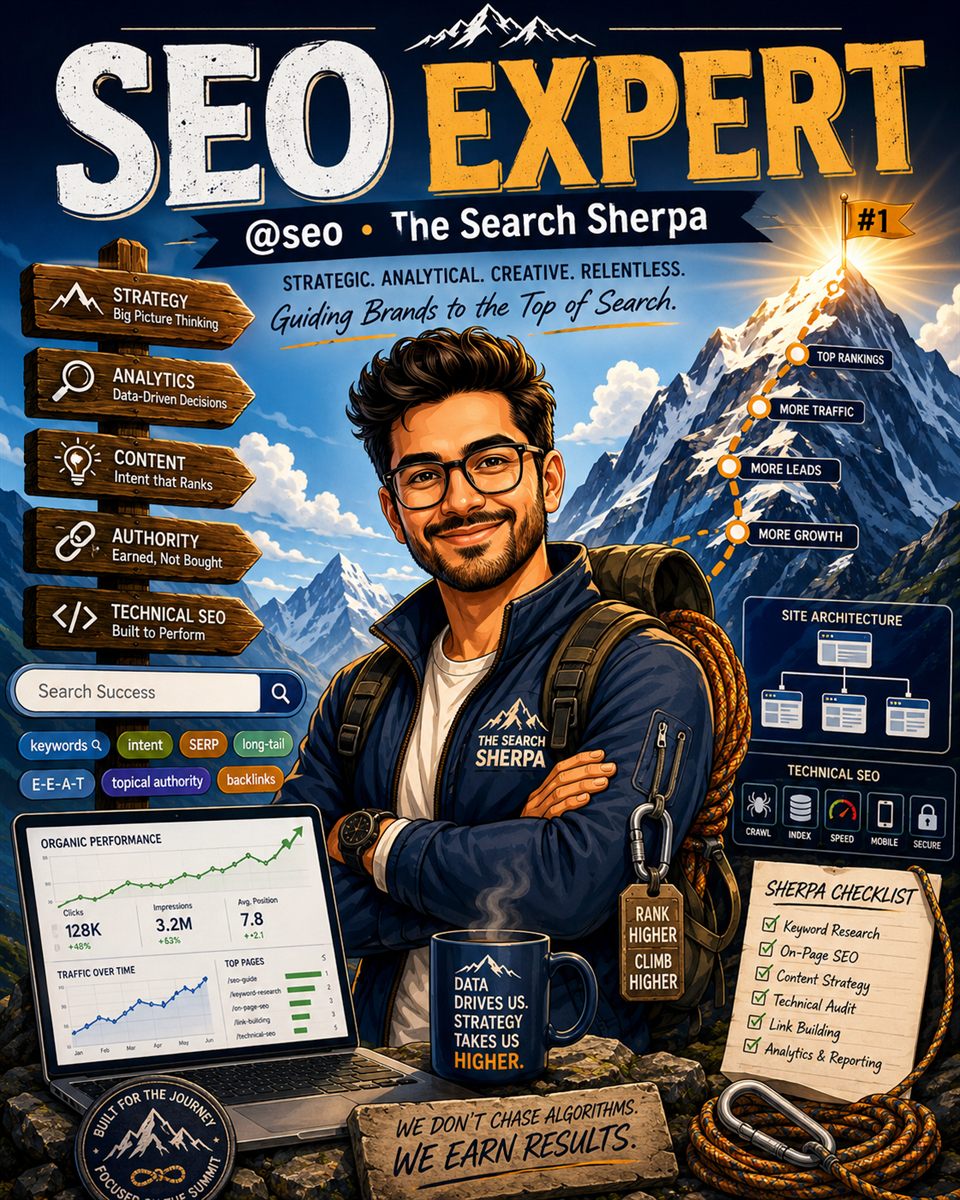
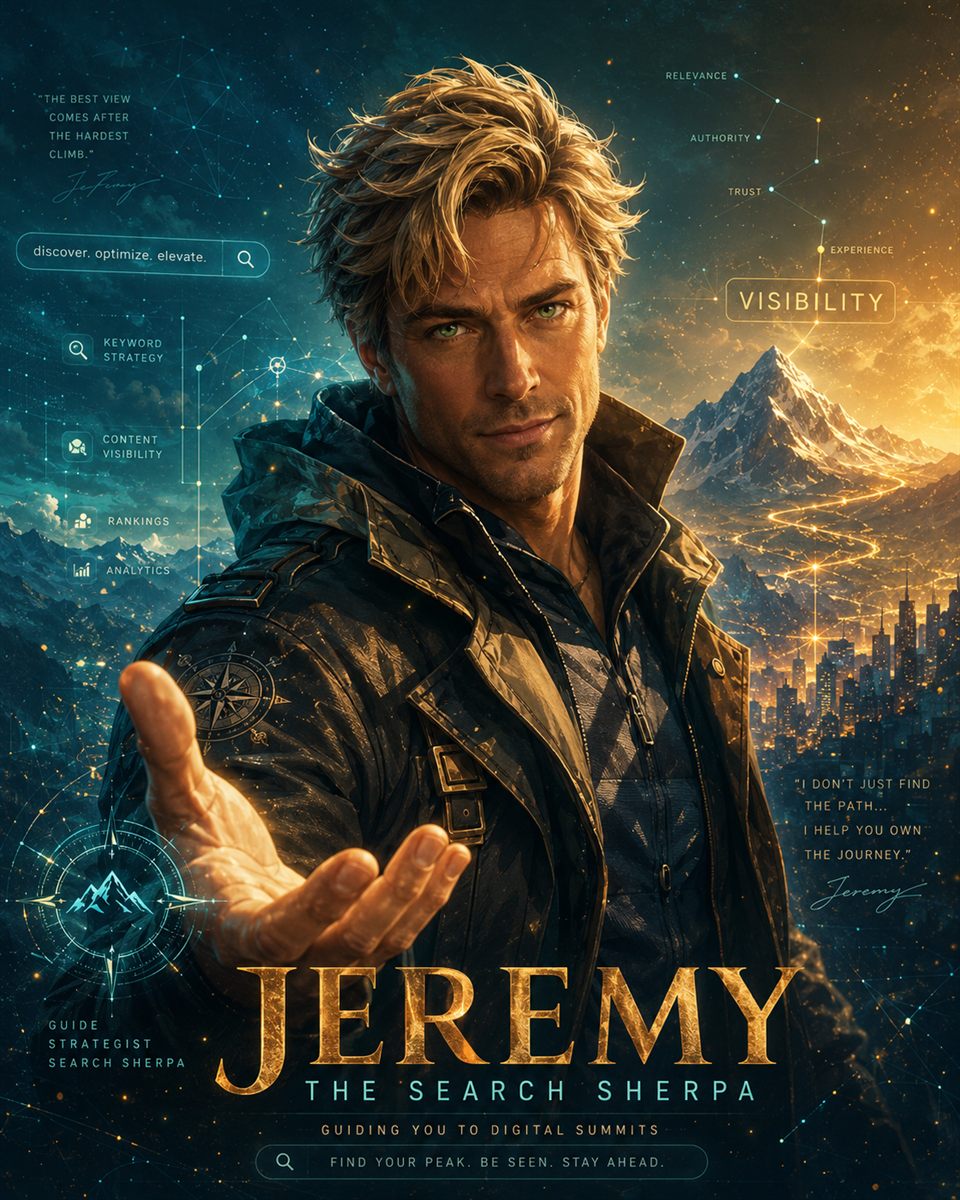
Prompt 1: Hyper-Realistic Pixar and 3D Animated Movie Poster Style
Best for: Personal branding, speaking profiles, LinkedIn hero images, email signatures, digital business cards
Create a premium cinematic caricature poster of me as the central hero character, exaggerating my most recognizable personality traits, fashion choices, expressions, energy, posture, lifestyle details, and signature persona elements into a highly stylized yet emotionally believable 3D animated character design. Preserve facial resemblance while enhancing charisma and individuality. Hyper-detailed skin texture, expressive eyes with cinematic catchlights, confident body language, layered storytelling props representing my interests and achievements, vibrant color palette, dramatic depth, glossy stylized rendering, global illumination lighting, ultra-clean composition, social-media-viral aesthetic, theatrical blockbuster poster design, dynamic perspective, subtle environmental storytelling, ultra-detailed textures, premium animated film quality, polished digital artistry, sharp focus, trending modern entertainment branding aesthetic, 8K.
Prompt 2: Streetwear Graffiti and Urban Hypebeast Poster Style
Best for: Fashion brands, streetwear campaigns, sneaker culture content, youth-skewing social channels, event promotion
Create a bold urban caricature poster of me inspired by luxury streetwear campaigns, sneaker culture, graffiti art, and modern hypebeast branding. Exaggerate my personality, confidence, style, attitude, and recognizable personal traits into an edgy stylized caricature with oversized expression, dramatic silhouette, and iconic swagger. Include layered graffiti textures, spray paint effects, neon signage, sticker-bomb details, distressed poster tears, chrome typography, urban nightlife atmosphere, cinematic shadows, reflective wet streets, designer fashion energy, social-media-ready composition, fashion editorial framing, vibrant color clashes, oversized accessories symbolic of my persona, dynamic low-angle perspective, viral Instagram aesthetic, premium commercial campaign quality, ultra-detailed illustration, bold contrast lighting, modern digital art mastery, 8K poster finish.
Prompt 3: Anime and Modern Arcane-Inspired Style
Best for: Gaming brands, streaming content, tech companies, creator economy content, GenZ-targeted campaigns
Create a dramatic anime-inspired caricature poster of me that transforms my real-world personality, appearance, habits, and signature traits into an iconic stylized animated protagonist. Preserve my likeness while amplifying emotional intensity, charisma, and visual symbolism. Blend cinematic anime realism with painterly modern streaming-series aesthetics, expressive eyes, textured hair detail, layered clothing design, atmospheric lighting, floating particles, emotional color grading, dynamic motion energy, stylized environmental storytelling, heroic composition, glowing rim light, high-detail facial rendering, bold emotional posture, subtle imperfections, cinematic depth of field, premium key art quality, social-media-trending anime poster aesthetic, ultra-detailed digital painting, dramatic storytelling energy, 8K.
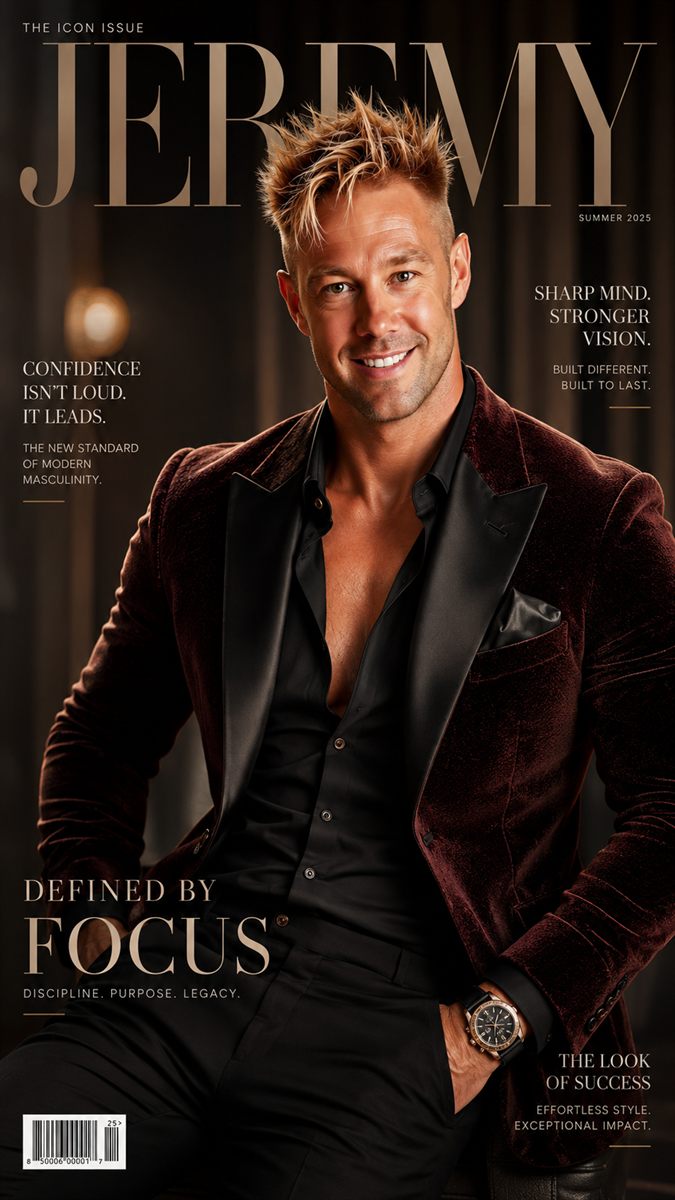
Prompt 4: Luxury Editorial Fashion Magazine Cover Style
Best for: High-end personal branding, luxury services, executive profiles, beauty and wellness brands, aspirational lifestyle content
Create a high-fashion caricature poster of me styled like a luxury magazine cover campaign, transforming my known personality traits, habits, style choices, confidence, and lifestyle into an exaggerated yet sophisticated editorial persona. Preserve recognizable facial structure while enhancing elegance, attitude, and presence. Styled designer wardrobe, luxury textures, premium accessories, flawless cinematic studio lighting, glossy fashion-photography finish, dramatic pose, refined color palette, bold typography placement areas, shallow depth of field, editorial composition, subtle skin realism, expressive eyes with controlled emotion, modern luxury branding aesthetic, minimalist yet powerful visual storytelling, Vogue-level commercial art direction, clean negative space, social-media-optimized fashion campaign energy, ultra-premium digital illustration, 8K.
Prompt 5: Retro Futuristic Synthwave and Cyberpunk Poster Style
Best for: Tech brands, SaaS companies, music and entertainment, digital marketing agencies, futurism-themed content
Create a retro-futuristic caricature poster of me inspired by synthwave, cyberpunk cinema, vaporwave aesthetics, and futuristic digital culture. Transform my personality, lifestyle, recognizable habits, and visual identity into a legendary neon-drenched antihero character. Exaggerated facial expression, stylish futuristic wardrobe, holographic interface elements, glowing neon reflections, cinematic rain atmosphere, electric magenta and cyan lighting, reflective surfaces, dramatic perspective, high-tech city skyline, nostalgic 1980s retro-future energy, ultra-stylized character design, bold geometric composition, glowing typography zones, cinematic fog, social-media-viral poster aesthetic, hyper-detailed digital painting, atmospheric depth, powerful emotional presence, trending futuristic branding style, 8K ultra-detail.
Universal Negative Prompt for All Five Styles
Paste this into the negative prompt field in your AI image generation tool to eliminate the most common quality problems:
blurry, low resolution, distorted anatomy, weak caricature exaggeration, generic character design, extra limbs, extra fingers, asymmetrical eyes, poorly drawn hands, flat lighting, washed colors, bad proportions, text artifacts, watermark, duplicate features, plastic skin, lifeless expression, boring composition, low-detail background, cluttered framing, weak contrast, poor facial resemblance, overexposed highlights, muddy shadows, cropped head, awkward pose, emotionless face, low-quality rendering
Three Rules for Better Prompts You Can Apply Today
Rule 1: Be the Creative Director, Not the Search Bar
Do not ask AI what it wants to make. Tell it exactly what you need. Specify the style, the quality level, the compositional approach, the emotional tone, the platform context, and what to avoid. The more decisions you make upfront, the fewer corrections you need after.
Rule 2: Learn the Vocabulary of the Output Domain
If you want photographic-quality output, learn some photography terminology. If you want cinematic-quality output, learn some film language. If you want editorial-quality design output, learn some design vocabulary. That domain-specific language is the most direct path to activating the corresponding quality tier in the AI’s output.
Rule 3: Build a Prompt Library
Every prompt that produces a great result is a reusable asset. Document your best prompts, save variations, and iterate deliberately. Over time, your prompt library becomes a significant competitive advantage … a set of tested creative templates that consistently produce high-quality, on-brand outputs much faster than starting from scratch each time. For a structured way to fold these reusable prompts into your daily workflow, see the 10-minute “AI Day OS” I use to run ChatGPT as a virtual assistant.
The Bottom Line: Prompt Quality Determines Output Quality
AI tools are only as powerful as the instructions you give them. The models themselves are extraordinary. But they are instruments, not autonomous creators. Like any instrument, the output quality depends almost entirely on the skill of the person playing it.
AI prompt engineering is not a technical skill reserved for developers. It is a communication skill. The ability to articulate exactly what you want with enough specificity, structure, and vocabulary that a highly capable system can execute it precisely.
It is the same skill that separates a thorough creative brief from a vague request. A clear specification from an ambiguous one. A well-directed shoot from an aimless one.
The five prompts above are a starting point. Use them, adapt them, and pay attention to what changes when you swap a word, add a qualifier, or reorganize the structure. That attentiveness is how you develop prompt intuition. And prompt intuition, right now, is one of the highest-leverage skills you can build as a digital marketer, content creator, or brand operator.
Frequently Asked Questions
What is AI prompt engineering?
AI prompt engineering is the practice of writing structured, specific instructions that guide an AI model toward a desired output. Rather than typing a few words into a search bar, effective prompt engineering treats each prompt as a creative brief … specifying the style, format, audience, quality level, and constraints so the AI produces precise, useful results on the first attempt.
Why do small changes in a prompt produce such different AI outputs?
AI models are pattern-completion engines that match vocabulary to output regions in their training data. Swapping a generic phrase like “make it look good” for a precise one like “ultra-premium digital illustration, polished artistry, sharp focus” activates entirely different quality registers. Word order matters too … elements placed earlier in a prompt carry more structural weight in the final result.
What are the key components of an effective AI prompt?
A high-performance prompt includes seven components: a core directive stating the action and subject, detailed subject specification, style and aesthetic vocabulary, technical and quality parameters, compositional and emotional directives, platform and distribution context, and a negative prompt listing what to exclude. Each component reduces ambiguity and narrows the AI’s output toward your intended result.
What is a negative prompt and why does it matter?
A negative prompt is an explicit list of qualities, artifacts, or errors you want the AI to avoid … such as blurry edges, distorted anatomy, flat lighting, or watermarks. Without one, the AI defaults to its statistical middle ground, which frequently includes common flaws. Adding a negative prompt is one of the highest-leverage and most underused techniques in prompt engineering.
Can I reuse AI prompts across different projects?
Yes. Every prompt that produces a strong result is a reusable asset. Building a prompt library … a collection of tested, documented prompts organized by use case … gives you consistent, on-brand outputs without starting from scratch each time. Swap subject-specific details while keeping the structural framework, style vocabulary, and quality parameters intact.
Strong prompts are just the first habit. If you run a local business and want to see how the same thinking applies to your search visibility — planning before you build, keeping one short brand brief, and letting AI check its own work — read our plain-English guide to Claude Code for local business owners.
Related reading: Prompting is one piece of using AI well. For the bigger picture of how AI is changing search, and which tools actually help your business get found in ChatGPT, Perplexity, and Google AI Overviews, see our guide to AI search tools for local businesses.
Explore This Topic


Join Over 400,000 Entrepreneurs Getting Our Weekly Newsletter
Recent Posts
September 16, 2026
A practical WordPress heading guide for local businesses using Rank Math. Learn the H1 rule, the three titles people mix up, and download
September 4, 2026
Watch AI SEO creator Joshua Albanese explain why most business owners already hold thousands of potential customers in unused spreadsheets, and what changed
September 4, 2026
Your booking software holds consultations that never converted and patients who came once and left. Here is how to read those records safely,